
A New Era in Cancer Treatment with Intestinal Bacteria Transplantation?
 編集長
編集長Intestinal Bacteria and Cancer Treatment, New Possibilities
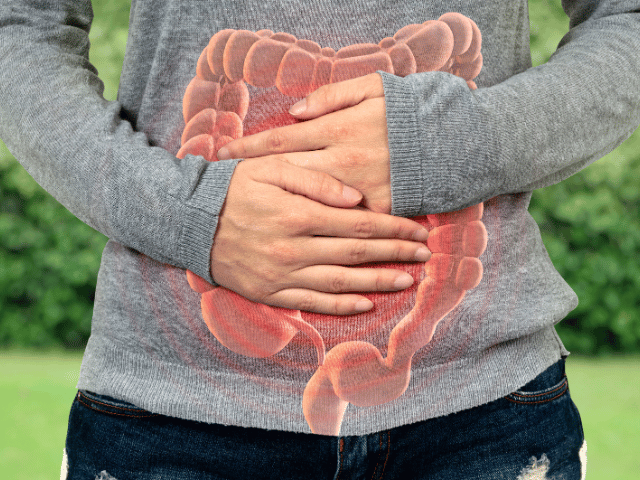
In recent years, much attention has been paid to the relationship between the intestinal environment and health, and this research has also extended to cancer treatment. The news that a group at a national cancer research center has begun clinical trials of intestinal bacteria transplants in patients with gastric and esophageal cancer has attracted considerable attention.
Why is intestinal bacteria transplantation attracting attention?
Potential to enhance the effectiveness of immunotherapy
Immunotherapy, which enhances a patient's immunity and attacks cancer cells, is attracting attention as a treatment for cancer. However, it is not effective for all patients, and some patients do not benefit from it.
Previous studies have revealed that patients with low efficacy of immunotherapy have an imbalance of intestinal bacteria. Intestinal bacteria are deeply involved in our immune system, and when the balance is lost, the immune system may be weakened and unable to effectively attack cancer cells.

What is intestinal bacteria transplantation?
An intestinal bacteria transplant is a treatment in which intestinal bacteria collected from the stool of a healthy person are transplanted into a sick patient. This transplantation is expected to improve the intestinal environment of the patient and enhance immunity, thereby increasing the effectiveness of cancer treatment.
Purpose of this Clinical Trial
In this clinical trial, intestinal bacteria will be transplanted into patients with gastric and esophageal cancer prior to immunotherapy to evaluate its safety and efficacy. Specifically, the following points will be examined
Safety: Will there be any side effects or complications from the transplantation of intestinal bacteria?
Efficacy: Does the transplantation of intestinal bacteria enhance the efficacy of immunotherapy?
Mechanism: We will elucidate the mechanism of how the transplantation of intestinal bacteria affects cancer treatment.
Future Prospects and Challenges
Needless to say, the results of this clinical trial are noteworthy. If intestinal bacteria transplantation proves to be effective in cancer therapy, it could lead to a paradigm shift in cancer treatment.
At the same time, however, several challenges remain.
Individual differences: The balance of intestinal bacteria varies greatly from person to person. It is not easy to determine which type of bacteria is most effective in cancer treatment and to identify the best bacteria for each individual patient.
Safety: Gut microbiota transplantation is still a new therapy and its long-term safety has not been fully evaluated.
Ethical issues: Ethical issues must also be considered since the transplantation involves the transplantation of stool from a healthy person.

Summary
While intestinal bacteria transplantation represents a new possibility in cancer treatment, many challenges remain. We look forward to further research and hope that this therapy will benefit more patients in the future.