
New Hope for Pancreatic Cancer Treatment: Metal Marker Implantation Using Ultrasound Endoscopy
 編集長
編集長Challenges in Pancreatic Cancer Treatment and Proton Beam Therapy
Pancreatic cancer is a malignant tumor known for its difficulty in early detection and rapid progression. In particular, chemoradiation therapy is attracting attention as an effective treatment for unresectable locally advanced pancreatic cancer that is difficult to treat with surgery. In particular, proton beam therapy has attracted attention in recent years because it can deliver highly precise radiation to cancerous tissue while minimizing damage to normal tissue.
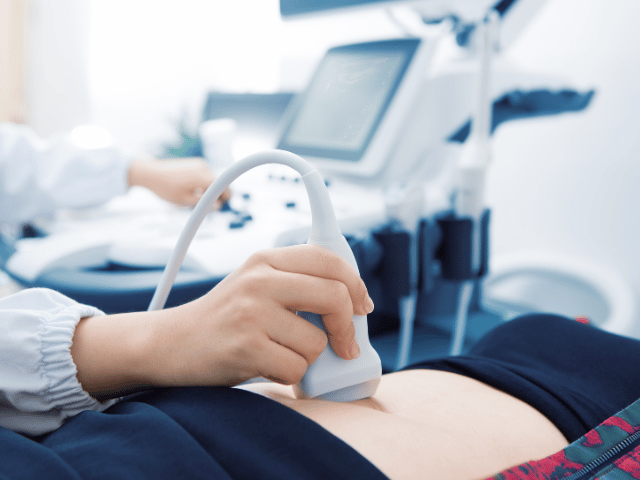
Metal Marker Implantation" to enhance the precision of proton beam therapy
To maximize the effectiveness of proton therapy, it is important to irradiate cancer tissue precisely. In this context, the "metal marker implantation technique," in which a metal marker is implanted in the cancer tissue and irradiated using the marker as a landmark, has been attracting attention.
Three Implantation Methods and EUS-FP
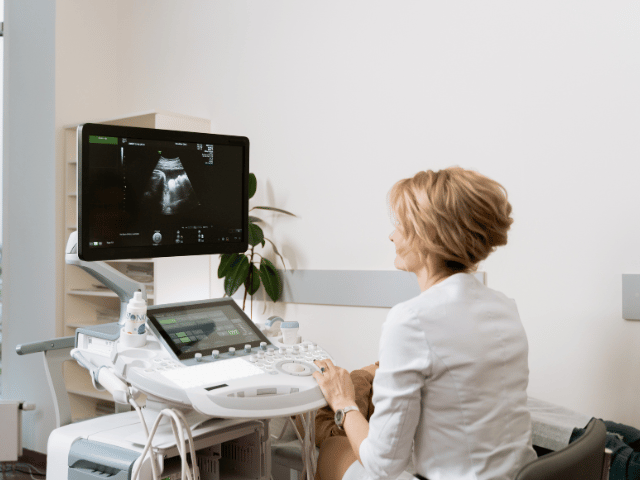
There are three major methods of metal marker implantation
Percutaneous marker placement: A needle is inserted through the skin to place a marker.
Transarterial marker placement: a catheter is inserted through a blood vessel to place a marker.
EUS-FP: Marker placement directly through the gastrointestinal tract using an ultrasound endoscope.
EUS-FP is the newest of these methods and is attracting the most attention, as it uses an ultrasound device attached to the tip of the endoscope to directly observe the pancreas from inside the digestive tract while implanting a marker. Therefore, markers can be implanted more accurately and safely than with other methods.

EUS-FP at Narita Memorial Hospital
Narita Memorial Hospital is one of the leading institutions in Japan for EUS-FP clinical research. Dr. Takahiro Toyama and Dr. Kenji Yamao, consultants at the hospital, are convinced of the effectiveness of EUS-FP based on their many years of experience and achievements.
High accuracy and safety: EUS-FP is considered more accurate and has a lower risk of complications than other methods because markers are implanted while viewing ultrasound images.
Less burden on the patient: EUS-FP uses an endoscope, so the burden on the patient is relatively low.
Widespread use in the U.S. and Europe: EUS-FP is already widely used in the U.S. and Europe, and its effectiveness has been recognized.
Current Status and Future Prospects in Japan
In Japan, EUS-FP is not yet covered by insurance, so not all patients can receive this treatment. However, Narita Memorial Hospital and other medical institutions are working toward insurance coverage.
If EUS-FP is covered by insurance, more pancreatic cancer patients will be able to receive this treatment, which is expected to lead to improved treatment outcomes.
Conclusion
EUS-FP is attracting attention as a new option in pancreatic cancer treatment. With the widespread use of this technology, more patients will be able to benefit from proton beam therapy.