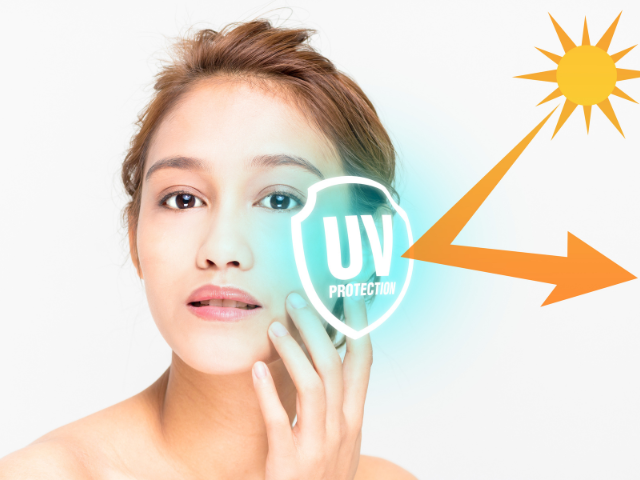
This summer is going to be hot again, but sometimes the body synthesizes vitamin D without sunscreen!
 編集長
編集長The hottest summer in recorded history?
According to the Copernicus Climate Change Service, the European Union's weather information agency, last June 2023 was the hottest month in recorded history, marking the 13th consecutive month of record high temperatures. The annual maximum temperature for this year, 2024, is predicted to have a 95% chance of being the highest since observations began in the mid-1800s.
Japan has also experienced a series of extremely hot days, and in July, Shizuoka City recorded the first 40-degree Celsius level this year, exceeding 40 degrees Celsius.
While measures against heat stroke are being called for, sunburn protection is also important. However, there is also the concern that applying sunscreen may cause a lack of vitamin D. ……
Vitamin D is an important nutrient that promotes calcium absorption and bone growth. Deficiency increases the risk of bone fractures and osteoporosis.
On the other hand, UV rays can cause skin cancer and cataracts, so overexposure should be avoided.
How can we achieve both sun protection and health maintenance in the midst of extreme heat? It is very difficult to achieve both.

Fatigue brought on by reactive oxygen species from the brain
In recent years, attention has also focused on fatigue as an effect of ultraviolet rays on the human body.
It is known that exposure to ultraviolet rays causes the brain to secrete large amounts of reactive oxygen species, which stresses nerve cells and causes brain fatigue. This is the exact reason for the tiredness felt after going out in the sun on a strong day.
Even if you wear sunscreen, UV rays reaching your eyes through sunglasses can lead to brain fatigue.
Relationship between Sunscreen and Vitamin D Deficiency
Sunscreens reduce the risk of sunburn and skin cancer by reducing UV penetration into the skin. However, it also reduces the synthesis of vitamin D at the same time.
Vitamin D is produced by the body in low amounts and must be obtained through diet and sun exposure. Sunbathing is an efficient method of vitamin D synthesis.
However, sunscreen application greatly reduces the amount of vitamin D synthesis from sunbathing.
Medical literature explores the good pitfalls of sun protection and vitamin D supplementation.
There are several ways to balance sun protection and vitamin D supplementation.
- determine when to apply sunscreen
Sunscreen does not necessarily need to be applied to the skin all the time you are outside. If you are in the shade or only out for short periods of time, you can go without sunscreen.
Sunscreens with high SPF values are more effective in protecting against UV rays, but they also have a higher potential to inhibit vitamin D synthesis.
- limit the areas of exposed skin
Instead of applying sunscreen, limit the areas of exposed skin by wearing hats, sunglasses, and long-sleeved clothing. In particular, focus on protecting sunburn-prone areas such as the face and neck. 3.
- systematic sunbathing
Systematic sunbathing for 15 to 30 minutes two to three times a week is also effective. However, avoid strong ultraviolet rays around noon, and use shade while sunbathing. 4.
- consider vitamin D supplements
If you have a thorough sun protection program in place or if sunbathing is infrequent, you may want to consider vitamin D supplements.
When choosing a supplement, select one that contains both vitamins D3 and D2. 5.
- check vitamin D levels with a blood test
Regular blood tests to check your vitamin D levels will allow you to supplement your vitamin D levels as soon as possible if they are deficient.
In summary: Choose the best method for your lifestyle.
Sun protection and vitamin D supplementation are both important factors in maintaining good health.
It is important to understand the advantages and disadvantages of each and choose the best method for your lifestyle.